Posted on 20 March 2026
5 Signs Your Drains Are Blocked
Blocked drains are the kind of household problem that’s easy to miss until it’s causing real damage. Here are 5 warning signs to watch for, and what to do about them.
Why blocked drains are more than just inconvenient
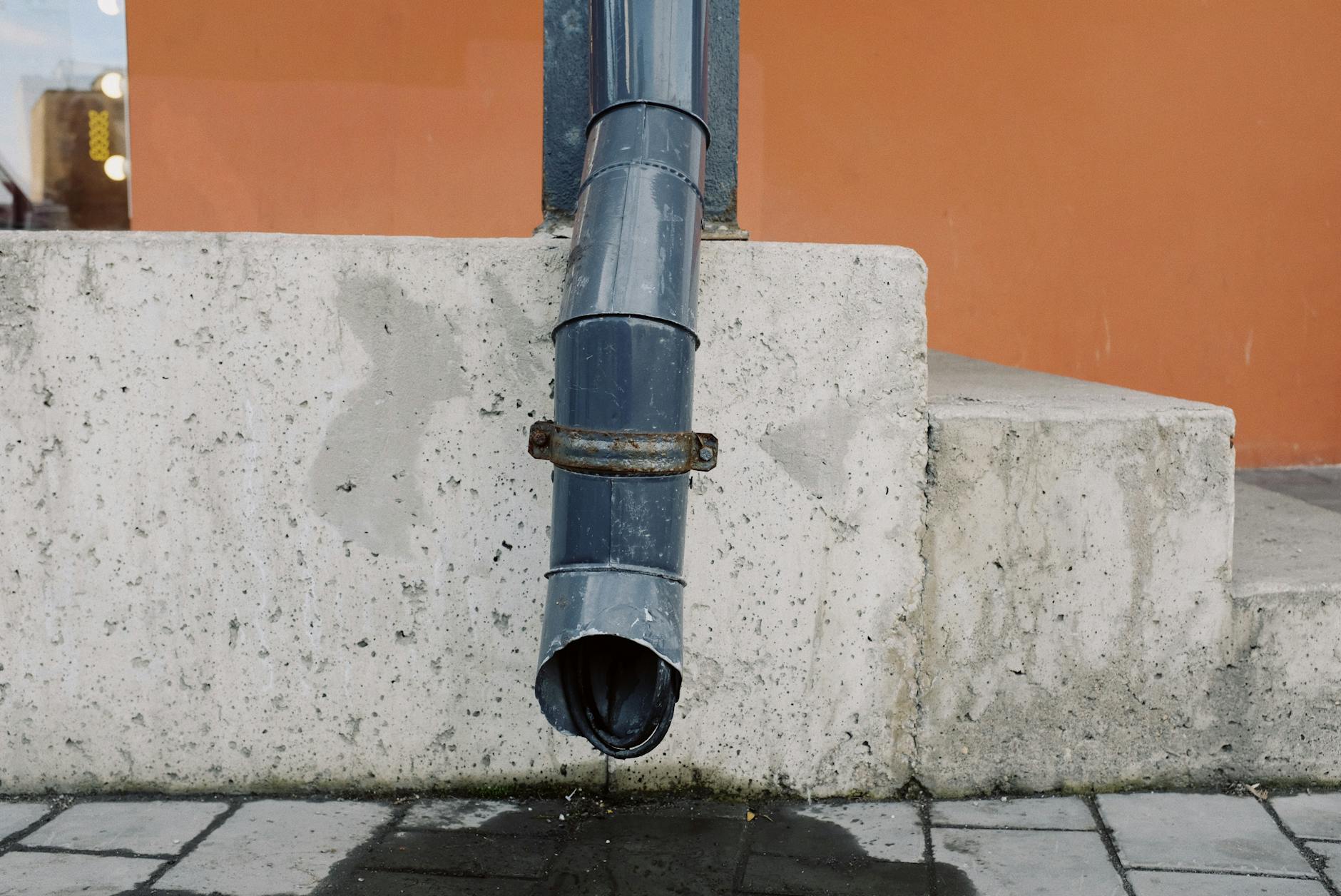
A blocked drain doesn’t fix itself. What starts as a minor slowdown this week becomes a complete blockage next month. The longer you ignore it, the worse it gets and the more expensive the fix becomes.
We’ve seen blocked drains cause thousands of pounds of damage in Nottingham homes. Water backing up through toilets, sewage flooding kitchens, damp spreading through walls. All of it started with warning signs that got ignored for weeks or months.
The good news is that drains give you plenty of warning before they fail completely. If you know what to look for, you can catch a blockage early when it’s still cheap and easy to fix. Here are the five most common signs we see across Nottingham properties.
1. Slower than usual drainage

Most of us don’t time how long the kitchen sink takes to drain. But if it suddenly becomes sluggish, bath water sitting for minutes, sink draining at a crawl, that’s a blockage developing somewhere in the system.
It might be localised to one sink or shower, which suggests the blockage is in the trap or waste pipe directly under that fixture. Or it might affect multiple fixtures on the same floor, which points to a blockage further down the system in a shared waste pipe.
In older Nottingham properties, especially Victorian and Edwardian terraces around Sneinton and Mapperley, we often find that slow drainage is caused by decades of soap scum, hair, and grease building up in cast iron waste pipes. The pipes haven’t been replaced since the house was built, and the internal diameter has shrunk by half.
Don’t ignore slow drainage. It only gets worse. What’s a minor inconvenience now becomes a completely blocked drain in a few weeks, and then you’re dealing with overflowing sinks and water damage instead of a simple clearance job.
2. Unpleasant smells coming from drains
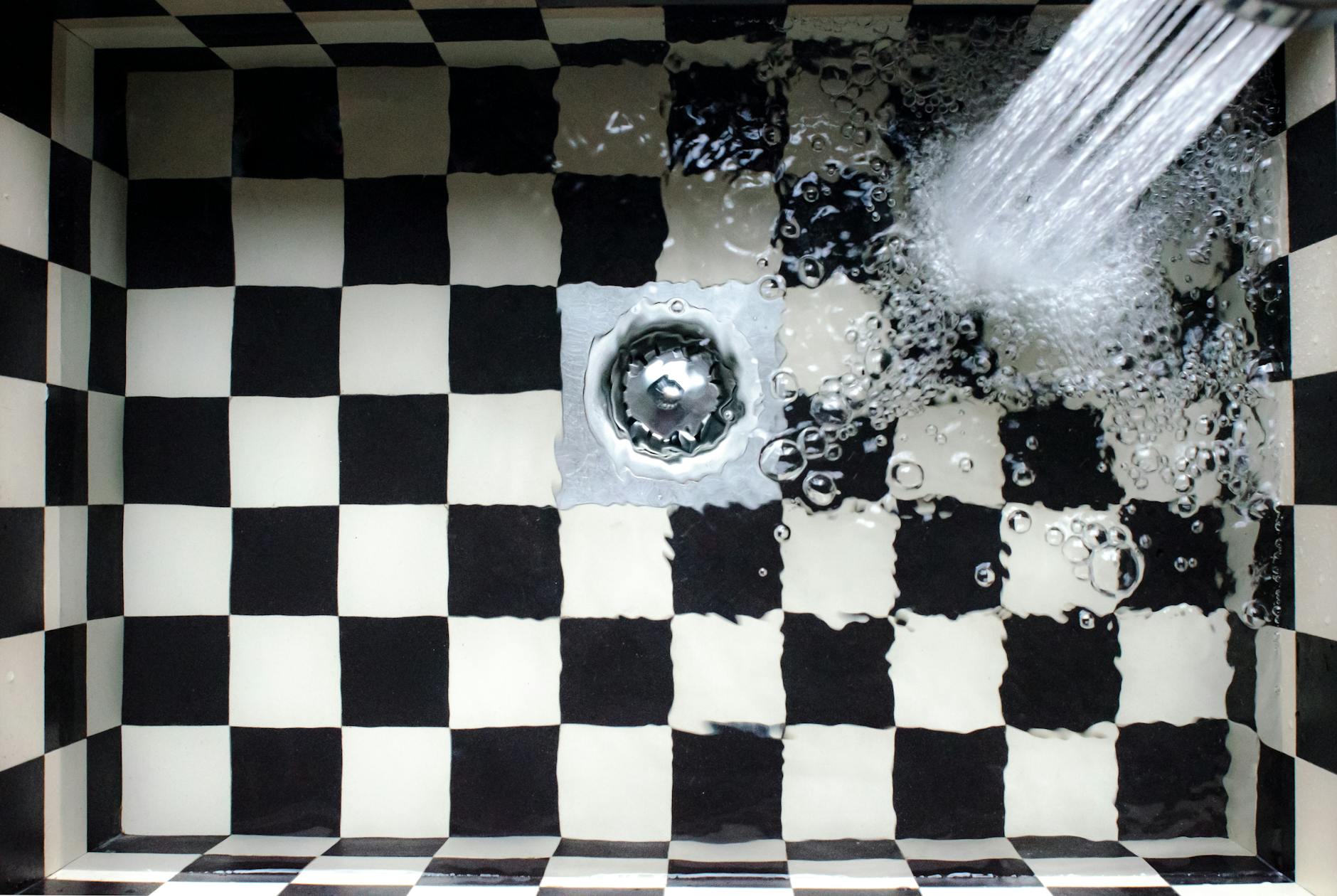
Bad drain smell isn’t just caused by whatever’s blocking the pipe. Water left standing anywhere breeds bacteria and mould. If your drains are letting off a noticeable smell, water isn’t passing through the way it should.
Kitchen drains are worst for this. Food waste and grease build up over months and start to decompose. The smell gets into the pipework and comes back up through the plug hole every time you run the tap.
Bathroom drains can smell too, usually from hair and soap scum accumulation. If you’re getting a sewage smell from your toilet or shower, that’s a bigger problem. It could mean your drain trap has dried out (letting sewer gases back up), or there’s a blockage in the soil stack allowing gases to escape where they shouldn’t.
In Nottingham’s older properties, particularly those with original Victorian drainage, we sometimes find that smells are caused by damaged or poorly sealed drain joints underground. Tree roots have cracked the pipes, sewage is leaking into the surrounding soil, and gases are escaping back up through the system. That needs a camera survey and proper repair, not just a bottle of drain cleaner.
If the smell persists after you’ve cleaned the drain and run plenty of water through, call us. We’ll identify whether it’s a simple trap issue or a more serious problem with your drainage system.
3. Water backing up into fixtures
In the early stages of a blockage, you might not see water come up through plug holes. But check your toilet. If the water level sits higher than usual, or rises when you run a tap elsewhere in the house, you’ve got a blockage displacing water in the system.
This is one of the clearest warning signs of a main drain blockage. When water can’t flow away down the drain, it has to go somewhere. It backs up into the lowest fixture it can reach, which is usually the toilet or a ground-floor shower.
If water actually comes up through your drains when you flush the toilet or empty the bath, that’s a fully blocked drain. Stop using all water immediately. Every time you run a tap or flush, you’re adding more water to a system that can’t drain, and eventually it’ll overflow somewhere, usually inside your house.
We get a lot of calls from people in Beeston and West Bridgford who’ve ignored minor backup for days until it becomes a major overflow. The toilet starts gurgling when they shower, they ignore it. Then one day they flush and sewage comes up through the shower drain in the downstairs bathroom. Now it’s an emergency.
If you see any water backing up anywhere, call a plumber the same day. Don’t wait for it to get worse. The difference between a £100 drain clearance and a £500 emergency callout is often just a few hours.
4. Gurgling sounds from pipes and drains
Gurgling sounds from drains or pipes are air being displaced by water that can’t flow freely. It’s actually one of the earliest signs of a blockage. Most people ignore it until the drain stops completely, which is a mistake.
When water flows down a drain, air needs to flow up to replace it. That’s what vent pipes are for. But if there’s a blockage restricting flow, air gets trapped and displaced by the water, creating a gurgling sound as it escapes.
Pay attention to when the gurgling happens. If your toilet gurgles when you drain the bath, it means both are connected to the same waste pipe and there’s a restriction somewhere downstream. If your kitchen sink gurgles when water drains away, the blockage is probably in the trap or waste pipe under the sink.
In Nottingham’s older terraced properties, we often find that gurgling is caused by inadequate or blocked vent pipes. Houses built before modern building regs sometimes have venting that doesn’t meet current standards. When drains start to block, the lack of proper venting makes the problem worse because air can’t escape efficiently.
Don’t dismiss gurgling as normal. It’s not. It’s your drainage system telling you there’s a problem. Get it checked before the partial blockage becomes a total blockage.
5. Damp patches appearing on walls or ceilings
Sudden damp spots on interior walls or ceilings aren’t always condensation. A blocked drain can cause water to back up and leak from joints in the pipework, especially in older Nottingham properties where the pipework has been in place for decades.
If you spot unexplained damp near bathrooms or kitchens, get your drains checked before the damage spreads. Damp doesn’t just stain walls, it rots timber, encourages mould growth, and can cause serious structural damage if left unchecked.
We’ve been called out to properties in Arnold and Sherwood where damp patches turned out to be leaking waste pipes hidden in walls or under floors. The blockage had caused pressure to build up in the system, water was forced out through old joints, and by the time the homeowner noticed the damp patch, litres of wastewater had soaked into the floor void.
Damp near the base of external walls can indicate a blocked or collapsed underground drain. Water that should be flowing away to the sewer is instead leaking into the ground around your foundations. Over time, this can cause subsidence and serious structural problems.
If you’ve got unexplained damp and slow drains, they’re probably connected. Get both checked at the same time. We can run a camera down your drains to see exactly where the blockage is and whether it’s causing leaks.
What causes drains to block in the first place?
Understanding what causes blockages helps you prevent them. In kitchens, it’s almost always grease and food waste. Fat poured down the sink solidifies in the pipes as it cools, catching other debris and building up over time until the pipe’s completely blocked.
In bathrooms, it’s hair and soap scum. Long hair wraps around any rough edge or joint in the pipework, more hair catches on that, and eventually you’ve got a solid mass blocking the pipe. Soap scum sticks to the hair and makes it worse.
Wet wipes are a massive problem, even the ones labelled flushable. They don’t break down like toilet paper. They catch on any imperfection in the drain, accumulate, and form a solid blockage. We pull them out in huge clumps from Nottingham drains every week.
In older properties, tree roots are a major cause of drain blockages. Roots grow into cracks in clay pipes seeking moisture. Once they’re in, they expand and catch everything that tries to flow past. We’ve cleared drains that were 80% blocked with root mass.
Sometimes it’s just age. Old pipes corrode, crack, and collapse. A collapsed section of drain stops everything and needs excavation and replacement. There’s no amount of jetting or rodding that’ll fix a collapsed pipe.
Foreign objects are surprisingly common too. We’ve pulled out toys, phone cases, sanitary products, and even false teeth from Nottingham drains. Anything that falls down a toilet or sink can cause a blockage, especially if it catches on an existing rough spot or partially blocked section.
DIY fixes you can try before calling a plumber
If you’re dealing with a minor blockage, there are a few things you can try yourself before calling us. Start with a plunger. It’s the simplest tool and it works for most basic blockages in sinks, toilets, and showers.
For a sink or bath, make sure there’s enough water to cover the plunger cup. Block the overflow with a wet cloth so you’re creating proper suction, then plunge vigorously for 30 seconds. If the blockage is near the surface, this’ll often shift it.
Drain rods work for external drains and manholes. You can hire them from tool shops across Nottingham. Screw the sections together, push them down the drain, and twist clockwise while pushing forward. Never twist anti-clockwise or the sections will unscrew and you’ll lose them down the drain.
Chemical drain cleaners can help with grease and soap buildup, but use them carefully. Follow the instructions exactly, never mix different products, and make sure there’s proper ventilation. Be aware that if the drain’s completely blocked, the chemicals just sit there in your sink and don’t reach the blockage.
What you shouldn’t do is keep flushing or running water hoping it’ll clear itself. You’re just adding more water to a system that can’t drain. And don’t use boiling water in toilets, it can crack the porcelain. Hot water’s fine for metal or plastic waste pipes, but not boiling.
If none of these work within 15-20 minutes, stop and call a professional. Forcing it with more aggressive methods can damage your pipes, and that turns a simple clearance job into an expensive repair.
What to do if you spot any of these signs
Don’t wait for it to get worse. A blocked drain that’s caught early is a 30-minute fix with manual rods or a plunger. Left alone, it becomes a jetting job or worse, a collapsed pipe that needs excavation and costs thousands to repair.
If you’re getting one or more of the warning signs above, call us on 0115 912 3456. We’ll get someone to you the same day across all Nottingham areas. There’s no call-out fee, you only pay for the work we actually do.
We’ll diagnose the problem properly with cameras if needed, clear the blockage, and explain what caused it so you can prevent it happening again. Most blockages we clear in under an hour for £100-180. That’s a lot cheaper than dealing with a flooded kitchen or bathroom.
And if the blockage turns out to be something more serious, a collapsed drain or major root intrusion, we’ll quote you properly for the repair work before starting anything. You’ll know exactly what’s wrong and what it costs to fix, no surprises.
Preventing blocked drains
Prevention’s always cheaper than cure. Don’t pour grease or oil down kitchen sinks, let it solidify in a container and bin it. Use sink strainers to catch food waste before it goes down the drain.
In bathrooms, use hair catchers in shower and bath drains. Clean them out regularly. Don’t flush anything except toilet paper and human waste, everything else goes in the bin.
Get your drains jetted every few years if you’re in an older property with original pipework. It clears out accumulated grease, soap scum, and minor root intrusion before it becomes a problem. Think of it as maintenance, like servicing your boiler.
If you’ve got trees near your drains, particularly willows, poplars, or other water-seeking species, get a camera survey done to check for root intrusion. Catching it early means we can jet it out and reline the pipe to stop roots getting back in. Leave it too long and you’re looking at full excavation and replacement. <h2>Related Services</h2><ul><li><a href="https://nottinghamplumbers.co.uk/emergency-plumbing.html">Emergency Plumber</a></li><li><a href="https://nottinghamplumbers.co.uk/blocked-drains.html">Blocked Drains</a></li><li><a href="https://nottinghamplumbers.co.uk/boiler-repairs.html">Boiler Repairs</a></li></ul>