Posted on 2026-02-01
Why Does My Toilet Keep Blocking?
If your toilet's blocking every few weeks, something's wrong with either what's going down it or the drain itself. Here's how to figure out which one and what to do about it.
Why repeat toilet blockages are a serious problem
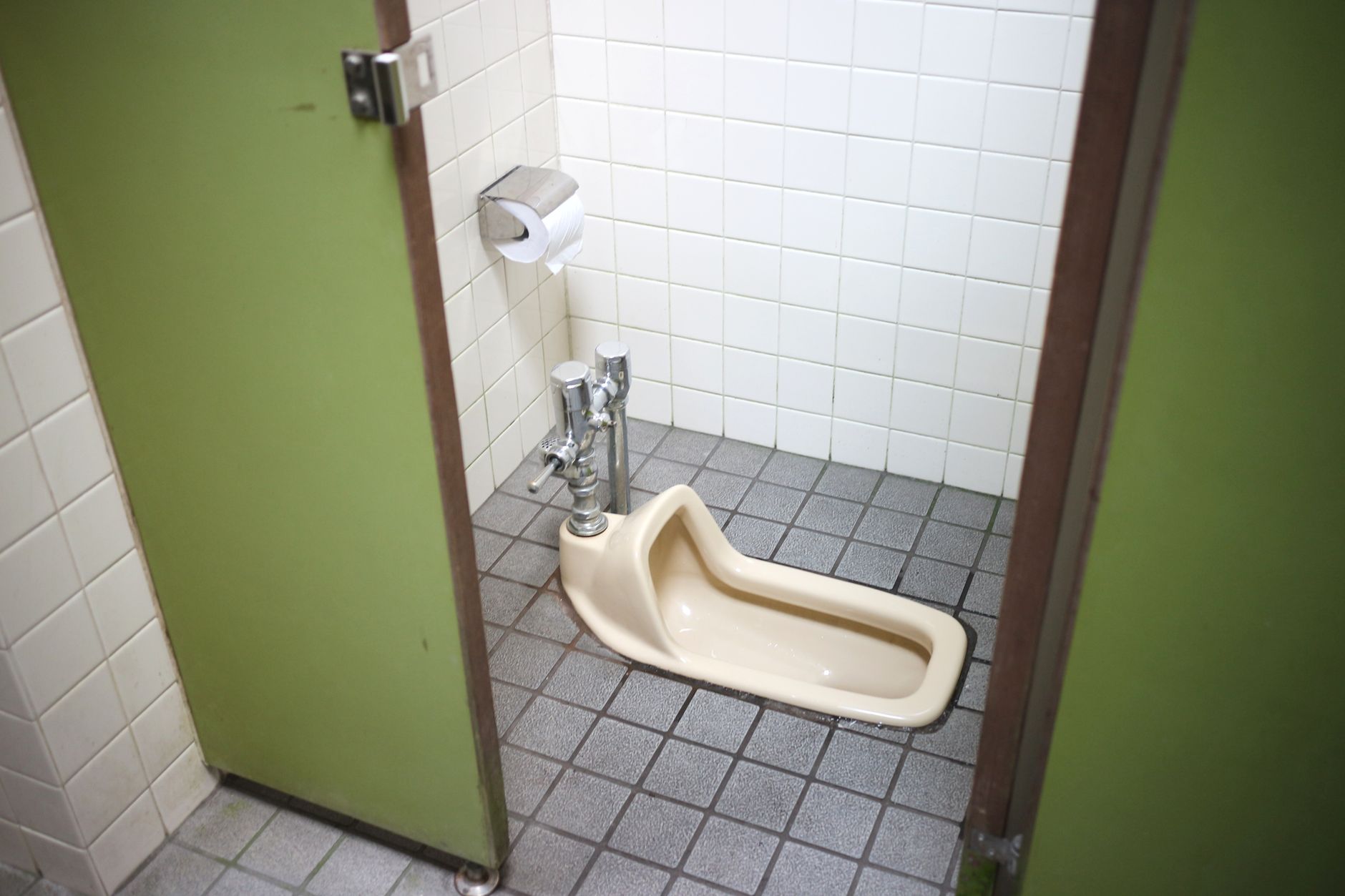
A toilet that blocks occasionally is annoying. A toilet that blocks every few weeks is telling you something's seriously wrong. Either you're flushing things that shouldn't go down there, or there's a problem with your drainage that needs fixing.
Ignoring repeat blockages doesn't make them go away. The problem gets worse until you're dealing with sewage backing up into your bathroom, water damage to floors and ceilings below, and repair bills running into thousands of pounds.
We clear hundreds of blocked toilets across Nottingham every year. Most could've been prevented if someone had investigated why it kept happening instead of just plunging it and hoping for the best. In this guide, we'll explain the common causes and what to do about them.
What's actually flushable (and what definitely isn't)
Toilets are designed for human waste and toilet paper. That's it. Everything else causes blockages eventually, even if it seems to flush away fine initially.
Wet wipes are the number one cause of toilet blockages in Nottingham. Even the ones labelled 'flushable' don't break down like toilet paper. They're made from synthetic fibres that hold together in water. That's literally their job, they wouldn't work as wipes if they fell apart when wet.
When you flush a wet wipe, it travels down your drain until it hits a rough edge, a joint, or a bend. Then it snags. The next wipe catches on that one. Soon you've got a solid mass of wipes blocking the pipe completely. We pull out clumps the size of footballs from Nottingham drains every week.
If you've got young kids and you're using wet wipes for nappy changes or cleaning hands, they all need to go in the bin, not down the toilet. Same for makeup removal wipes, antibacterial wipes, and those 'flushable' toilet wipes. Bin them.
Sanitary products, nappy liners, cotton wool, cotton buds, dental floss, and anything else that isn't toilet paper or human waste will block your drains. They don't break down. They accumulate in the pipes until nothing can get past.
Even too much toilet paper in one flush can cause problems if your drainage is marginal. Modern 3-ply quilted toilet paper is thick and doesn't break down as quickly as cheap single-ply stuff. If you're using half a roll per visit and flushing it all at once, you're asking for trouble.
In older Nottingham properties with narrow drain pipes or reduced flow from limescale buildup, overloading the toilet with paper tips it into a blockage. Use less per flush, or flush twice. It uses a bit more water but it's cheaper than calling a plumber.
Some people flush food waste, hair from cleaning brushes, cat litter, or other random stuff down the toilet because they think 'it all goes to the sewer anyway.' It does, but it has to get there first, and it's blocking your drain on the way. Toilets aren't bins.
Drain problems that cause repeat toilet blockages

If you're certain you're only flushing the right stuff and your toilet still blocks regularly, the problem is with the drain itself. Common causes include tree root intrusion, collapsed pipes, incorrect falls, and limescale or corrosion narrowing the pipe.
Tree roots are a huge problem in Nottingham's older areas. Victorian and Edwardian terraced streets around Sneinton, Mapperley, and Sherwood have mature street trees and original clay drainage pipes. The pipes crack over time, roots grow into the cracks seeking moisture, and once they're in, they expand and catch everything trying to pass.
We've camera-surveyed drains in West Bridgford and Beeston that were 70-80% blocked with root mass. The homeowner thought they had a toilet problem. They actually had a tree root problem that needed jetting and relining to fix permanently.
Collapsed sections of drain stop everything. A partially collapsed pipe acts like a dam, catching waste and paper until it blocks completely. This is common in older properties where clay pipes have cracked under ground movement or been damaged by building work decades ago.
Incorrect falls mean the pipe doesn't slope downhill enough for waste to flow away properly. Everything just sits in the pipe, gradually accumulating until it blocks. This often happens when drainage has been altered by DIY extensions or conversions without proper planning.
Limescale buildup narrows the internal diameter of pipes, reducing flow. In Nottingham's moderately hard water areas, decades of limescale can reduce a 100mm pipe to 70mm internally. There's less clearance for waste to pass, and blockages happen more easily.
Corroded cast iron pipes develop rough internal surfaces that catch waste and toilet paper. Once something snags, more catches on it, and you get a gradual buildup that eventually blocks the pipe completely.
Shared drains serving multiple properties can block if one property is flushing inappropriate stuff. Your toilet blocks because someone three doors down is flushing wet wipes and they're accumulating in the shared section of drain. Fixing that needs cooperation between neighbours and usually the freeholder getting involved.
How to diagnose what's causing your blockages
If your toilet blocks frequently, start by ruling out user error. Are you absolutely certain nobody's flushing wet wipes, sanitary products, or excessive amounts of toilet paper? If you've got kids, they might be flushing toys or other stuff without telling you.
Check if the blockage is isolated to one toilet or affecting multiple fixtures. If other drains in the house are slow or gurgling when you flush the toilet, the blockage is further down the system in a shared waste pipe or main drain.
If only one toilet blocks and everything else drains fine, the blockage is probably in the toilet trap itself or the short section of pipe immediately after it. That's often caused by something stuck in the trap like a toilet rim block, kids' toys, or a buildup of limescale.
Blockages that recur in the exact same spot every few weeks suggest something's catching waste at that point. It could be rough edges in the pipe, a badly fitted joint, or an obstruction like tree roots or a collapsed section.
If plunging clears the blockage but it comes back within days or weeks, you're treating the symptom not the cause. You need to investigate what's causing the recurring problem, not just keep plunging it every time it blocks.
The only way to know for sure what's wrong with your drainage is a camera survey. We feed a camera down your drain from an outside access point and see exactly what's in there. Tree roots, collapsed pipes, and obstructions show up clearly on the camera. Then you know what you're dealing with instead of guessing.
Quick fixes vs. long-term solutions
Plunging a blocked toilet sorts the immediate problem but doesn't fix why it's blocking. If it happens once a year, fine, probably just a one-off overload. If it's monthly or more, you need to address the root cause or you'll be plunging forever.
A decent toilet plunger costs £10-15 and every household should have one. The big cup plungers work best for toilets. The flat sink plungers don't create enough suction. Plunge firmly but not violently, you're trying to shift the blockage, not crack the toilet pan.
If plunging doesn't work within 20-30 seconds of effort, stop. You're not going to shift it by plunging harder, and you risk cracking the toilet or pushing the blockage deeper into the drain where it's harder to clear. Call a plumber.
Chemical drain cleaners are mostly useless on toilet blockages and can damage old pipes. They work on slow drains caused by grease or soap buildup, but a solid blockage of wet wipes or tree roots won't dissolve in caustic chemicals. Don't waste your money.
Drain rods work for blockages in the external drains that you can access from outside inspection chambers. If the blockage is in the toilet trap or the pipe inside the house, rods won't reach it. That needs a plumber with proper equipment.
Long-term solutions depend on what's causing the problem. If it's wet wipes or inappropriate flushing, stop doing that and the problem goes away. Put a bin in the bathroom and make sure everyone knows what can and can't be flushed.
If it's tree roots, we jet them out to clear the drain, then recommend either regular jetting every 12-18 months to keep them clear, or relining the affected section of pipe to permanently seal the cracks and stop roots getting back in. Relining costs more upfront (£800-£1,500 depending on length) but you don't need to keep jetting it.
Collapsed or badly damaged sections of drain need excavation and replacement. There's no DIY fix for a collapsed pipe. It costs £1,500-£3,000 depending on how deep it is and how much digging is involved, but it's a permanent fix that stops the blockages for good.
If the problem is incorrect falls or inadequate pipe sizing, sometimes we can add a macerator pump to assist flow. Or we can reroute the drainage if there's access. It depends on the specific situation and what's feasible in your property.
When to call a plumber for a blocked toilet
If plunging doesn't clear the blockage within a minute or two, call us. Don't keep forcing it. You can crack the toilet pan by over-enthusiastic plunging, and that's a £150-£300 replacement job on top of clearing the blockage.
If the blockage keeps coming back, even if you can clear it yourself each time, call us to investigate why. Repeat blockages mean there's an underlying problem that needs diagnosing and fixing, not just plunging again and again.
Multiple toilets or drains backing up at once means a main drain blockage, not a toilet problem. That needs jetting or rodding from outside access points, not plunging from inside. We've got the equipment to clear main drains properly.
If you're getting gurgling from other drains when you flush the toilet, or if water rises in the shower when you flush, it's all connected and there's a blockage in the shared waste pipe. Don't ignore this, it'll get worse.
Sewage backing up into showers, baths, or sinks is a health hazard and an emergency. Stop using all water immediately and call us. Every time you flush or run a tap, you're adding more water to a system that can't drain, and it'll overflow somewhere unpleasant.
If you can see or smell sewage in your garden near inspection chambers or drains, there's a blockage or damage causing sewage to leak. Get it checked fast before it causes subsidence or contaminates your water supply.
For landlords, don't wait for tenants to complain multiple times. If you're getting regular reports of toilet blockages in a rental property, investigate it properly with a camera survey. Ongoing blockages damage your property and make tenants move out.
How we fix repeat toilet blockages in Nottingham
When you call us for a repeat toilet blockage, we don't just unblock it and leave. We investigate why it's happening so we can fix the root cause and stop it recurring.
First, we'll clear the immediate blockage with rods, a jetter, or a powered auger depending on what's needed. That gets your toilet working again. Then we'll run a camera down your drain from the nearest outside access point to see what's causing the problem.
The camera shows us everything. Tree roots look like hairy tendrils growing through joints. Collapsed pipes show as a complete or partial obstruction. Wet wipes and sanitary products are obvious. Limescale narrows the pipe visibly. We'll show you the footage so you can see what we're seeing.
Based on what we find, we'll recommend a permanent fix. That might be as simple as 'stop flushing wet wipes' or it might be 'you need 6 meters of drain relining to seal the tree root damage.' We'll quote you properly before doing any major work.
For root-damaged drains, we usually jet them first to clear the roots, then reline the pipe to seal it permanently. The relining involves inserting a flexible liner inside the existing pipe, inflating it, and curing it with UV light or heat. It creates a smooth, jointless new pipe inside the old cracked one.
For collapsed drains, there's no alternative to digging them up and replacing them. We'll excavate the affected section, replace it with new plastic pipe, backfill and reinstate. It's disruptive and expensive but it's a permanent fix that lasts decades.
If the problem is inside your house, in the toilet trap or the short run of pipe before the external drain, we can often access it from inside without excavating. Sometimes that means lifting floorboards or cutting access hatches, but it's less invasive than digging up your garden.
Preventing toilet blockages in Nottingham properties
Prevention's always cheaper than cure. The single biggest thing you can do is only flush human waste and toilet paper. Everything else goes in a bin. Put bins in bathrooms so people have somewhere to put wet wipes and sanitary products.
Educate everyone in the household, especially kids. They need to know that flushing toys, excessive toilet paper, or random stuff will block the toilet. If you're a landlord, leave clear instructions in rental properties about what can and can't be flushed.
If you've got mature trees near your drains, get a camera survey done every few years to check for root intrusion. Catching it early means you can jet it out cheaply before it becomes a major problem needing expensive repairs.
Old properties with original drainage should have drains jetted every 2-3 years as preventative maintenance. It clears out accumulated buildup before it causes blockages. Think of it like servicing your boiler, it's cheaper than emergency callouts when things go wrong.
Don't use those hanging toilet rim blocks. They sometimes break off and get stuck in the toilet trap, causing blockages. Liquid cleaners or tablets that sit in the cistern are fine, just not the ones that hook over the rim.
If you're doing building work or landscaping near drains, get the drains surveyed before and after to check nothing's been damaged. We've seen drains crushed by diggers, cracked by foundation work, and damaged by landscaping companies who didn't know they were there.
For rental properties and HMOs with multiple toilets serving lots of people, expect more wear and higher risk of blockages. Budget for annual drain jetting as part of routine maintenance. It's cheaper than emergency callouts every time a tenant flushes something they shouldn't.
What it costs to fix in Nottingham
Simple toilet blockage clearance costs £80-£120. That's clearing the blockage with a plunger, auger, or rods so your toilet works again. Call Mon-Thurs 8:30am-6pm, Fri 9am-4pm to book.
Camera survey to diagnose repeat blockages costs £100-£150 depending on how much drain we need to survey. That includes a recording of the footage so you can see what we found.
Drain jetting to clear tree roots or heavy buildup costs £120-£200 for a typical Nottingham terraced house. If there are access problems or long runs of drain, it can be more.
Drain relining to permanently seal root-damaged pipes costs £800-£1,500 depending on how much pipe needs relining. It's expensive but it's a permanent fix that stops roots getting back in.
Excavation and replacement of collapsed drains costs £1,500-£3,000+ depending on depth, access, and how much needs replacing. Deep drains under driveways or patios cost more because of the reinstatement work after digging.
All those prices include labour, equipment, materials, and VAT. We don't charge separate callout fees or surprise you with hidden extras. You'll know the price before we start work. <h2>Related Services</h2><ul><li><a href="https://nottinghamplumbers.co.uk/emergency-plumbing.html">Emergency Plumber</a></li><li><a href="https://nottinghamplumbers.co.uk/blocked-drains.html">Blocked Drains</a></li><li><a href="https://nottinghamplumbers.co.uk/boiler-repairs.html">Boiler Repairs</a></li></ul>